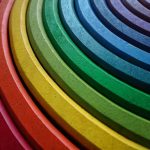

If you love color, you might wonder about the Ayurvedic Approach to Color Therapy—does red energize you or blue calm your mind and body?
What about the other colors in the rainbow? Do they affect your mood in any way?
The ancient Indian healing art of Ayurveda, “The Ayurvedic Approach to Color Therapy” can help you make sense of all these psychological links and learn how to use them to your own advantage.
Lighting and color (sometimes known as chromotherapy) are employed in a therapeutic setting to aid rehabilitation. Many studies have shown that being around different colors can have big effects on our minds and bodies.

This kind of therapy has been used for hundreds of years all over the world, from ancient China to ancient Greece, and many people still use it today.
In color therapy, you look at different colors and get advice on how to better deal with your feelings and thoughts. Sessions can be one-on-one or with a group.
Color therapy can be used in addition to psychotherapy and counseling or as a stand-alone method. You can also take care of your emotional health by using color therapy.
Color therapy might be helpful because it uses both sides of the brain at the same time. Before you can use color therapy to help you feel better, you need to figure out which colors make you feel calm. Different colors can cause different emotional and physical responses in people.
Bright colors like red, orange, and yellow produce energizing frequencies, while green counteracts the draining effects of blue and red by giving us a sense of renewal when we’re in a blue or purple environment.
In Ayurveda, each of the seven chakras is thought to be linked to a certain color. Your energy centers, called chakras, can be stimulated and kept in balance by wearing a color that makes you feel good.

Wearing orange, for example, is said to make you feel more joyful and happy, while blue is said to make you feel more peaceful and connected to yourself, and red is said to make you feel more confident.
There are many possible benefits to color therapy, but it is not a replacement for medical or mental health care.
Ayurvedic color therapy is a way to take this idea further. Ayurveda is a style of natural medicine that has been used by Indians for over three thousand years. It’s based on the idea that a person’s physical and spiritual energy levels can be changed by their environment.
You May Like: Use Color Therapy to Reduce Holiday Stress with Soothing Color Palettes

Ayurveda stresses how important it is to know and use the colors that are good for your individual constitution. The word “Dosha” is used to describe these different types of body types. The three Ayurvedic doshas are Vata, Pitta, and Kapha.
Vata
People have said that the Vata constitution is like space and air. The Vata personality type is creative and quick to learn new things, but it is easy to get distracted and overwhelmed.

One of their flaws is that they can’t sleep, but their creativity and ability to do more than one thing at a time make up for it. Also, because their blood doesn’t flow well, they get cold easily.
The earthy colors of autumn are good for your health and can help you relax if you have a Vata type. The Vata dosha also goes well with earth tones like red, beige, white, purple, warm pink, green, and brown.
In the end, people with the Vata dosha should choose earthy tones that make them feel calm and avoid cool tones that make them feel excited and angry.
Pitta
The constitution of a Pitta is made up of water and fire. People who are mostly Pitta tend to be fiery and passionate. One way to describe these people is that they are athletic leaders with high goals.

Due to their fierce competition, classmates often get into fights. Changes in mood, a bigger appetite, acne, and sensitivity to heat are also common.
To make up for their size, they should wear soft, pastel colors and fabrics. This palette has purple, lilac, pink, indigo, blue, white, silver, lilac, maroon, and beige.
These colors help calm pitta by putting it back in balance. Don’t use bright colors like neon or strong tones.
Kapha
Kaphas are controlled by the earth and water elements. This personality type is known for having empathy, compassion, peace, and knowledge.

This makes it one of the most peaceful. They have a hard time getting upset and tend to hang out with people who are there for them.
On the other hand, people with this type of personality are more likely to be lazy, overweight, sleep too much, have trouble breathing, and get heart disease.
Motivating colors to include emerald, neon, gold, yellow, orange, bright red, and brilliant purple, so designers should choose those. They shouldn’t use soothing colors like blue, green, and purple, and they should also stay away from black, grey, and pastels.
In color therapy, different colors are used to help people reach different goals. Colors like yellow, which gets the mind going, and purple, which gets the spirit going.
People who have schizophrenia, bipolar disorder, or anxiety can get help from color therapy. One of the most important things that affect a person’s mood and energy level is light, so it’s best to let in as much natural light as possible.
Many people find that color therapy helps them deal with their symptoms, whether they are caused by an illness or just by life in general.
Color therapy is a great place to start if you want to improve your mental or physical health, or if you want to work on both at the same time.

Balance is what Ayurveda is all about. Colors can be helpful if you already live by this philosophy, but they can also be dangerous if you aren’t careful and know what you’re doing.
Make sure you take the time to think about your own color therapy experiences, figure out how colors affect your mood and come up with ways to take care of yourself.

In the same way that every living thing has an energy field around it, color therapy uses the principles of vibration to stimulate, energize, or refresh many parts of your life.
Even though color therapy comes from an ancient Indian practice called Ayurveda, you don’t have to be Hindu or Indian to benefit from this practice. Color therapy can be done in the comfort of your own home with the help of a variety of tools and methods.