
AI is no longer a futuristic tool—it’s actively shaping how artists and designers create, visualize, and execute ideas. But what does this mean for you?
- If you’re an art collector, AI-assisted digital art allows for more personalized commissions and deeper creative exploration.
- If you’re an interior design client, AI streamlines the design process, helping you see your space before making costly decisions.
- If you’re an industry professional, AI enhances efficiency and visualization, but human expertise remains essential for execution.
This article explores how AI is being used in art and design today, its limitations, and how it’s shaping the future of creativity.

AI isn’t replacing artists or designers—it’s making the creative process more efficient, intuitive, and personalized. Here’s how I integrate AI into my workflow.
1. AI in Interior Design: Smarter Planning, Better Visualization
Traditional interior design relies on sketches, mood boards, and long revision cycles. AI allows for real-time visualization, spatial accuracy, and retail-based sourcing, making the process faster and more client-friendly.
How AI Fits into My Interior Design Workflow

- Client Vision & Color Planning – Clients share their Pinterest vision boards, and I create a color palette using EasyRGB, Sherwin-Williams, and Benjamin Moore for real-world paint accuracy.
- AI-Generated Mockups – Using Midjourney & Leonardo AI, I generate concept visuals that reflect the client’s aesthetic preferences before moving into full-scale design.
- 3D Room Scanning for Spatial Accuracy – Clients scan their rooms to provide precise measurements and layouts for accurate spatial planning.
- Coohom for Realistic 3D Space Planning & Retail Sourcing – I rebuild the space in Coohom, integrating real furniture, finishes, and materials from retail sources.
- Final Design Presentation & Implementation
- Comprehensive Design Package – Includes a fully rendered 3D visualization in Coohom with a carefully curated selection of furnishings, materials, and accessories.
- Streamlined Concept Package – A detailed AI-generated mockup that provides clients with a visual representation of their space, paired with a mood board and sourced shopping list.
Real-World Example: Texas Hill Country Contemporary Farmhouse
For this project, AI-assisted planning allowed us to test multiple layouts, source real-world materials, and provide high-quality 3D visualizations that helped the client make informed decisions quickly.

You May Like: AI Will Revolutionize the Interior Design Industry
2. AI in Digital Art: A Creative Tool, Not a Replacement
AI is not about “generating” art—it’s about enhancing, refining, and expanding possibilities. I use AI as a tool within my photobashing and digital painting process, ensuring every piece remains uniquely crafted.
How AI Fits into My Digital Art Process

1. Concept Development & Asset Gathering
- I take my own photography as a foundational element.
- I generate AI-assisted underpaintings using Midjourney & Leonardo AI—these serve as a digital base layer rather than a final composition.
2. Underpainting & Composition Building
- Like traditional artists who use underpainting to establish tonal values and composition, I use AI-generated underpaintings to explore light, form, and layout before fully rendering the final piece.
- I blend AI-generated elements with my own photographs, creating a strong base structure for the artwork.
3. Photobashing & Digital Painting
- Using Photoshop & Corel Painter, I digitally paint over the AI and photographic elements, refining textures, details, and lighting.
- Topaz Labs is used for final enhancements, such as improving resolution and refining textures.
Why This Matters for Art Collectors
Unlike fully AI-generated works, my approach ensures that every piece is artistically directed, emotionally driven, and uniquely crafted. AI may assist in ideation, but the final execution is always a result of my artistic skill and expertise.

The Limits of AI: Why Human Expertise Still Matters
While AI is a powerful tool, it has clear limitations that only human designers and artists can overcome:
- Material & Sourcing Constraints – AI-generated interiors don’t account for real-world costs, sustainability, or functionality.
- Lack of Spatial Awareness – AI can create visually stunning spaces but doesn’t ensure practical livability, ergonomics, or usability.
- No Emotional & Cultural Depth – AI mimics aesthetics but lacks the ability to tell personal stories, convey emotions, or integrate deep cultural context.
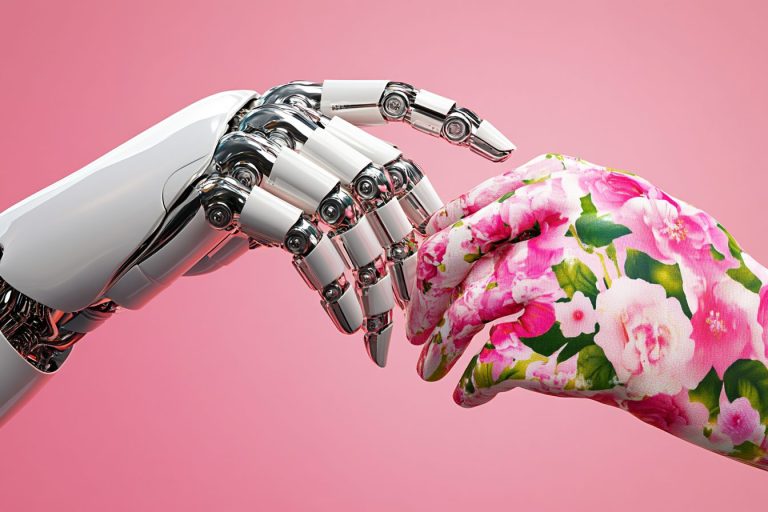
This is why AI is a collaborative tool, not a creator—the best results come from the synergy of AI and human expertise.

You May Like: Design Thinking: The Artistry Behind Innovation
What’s Next? The Future of AI in Art & Design
AI is evolving rapidly, and here’s where it’s headed:
- AI-powered sustainable design – AI will play a role in predicting energy efficiency, material waste reduction, and eco-friendly sourcing.
- Ethical AI in commercial art – As AI-generated art enters the market, questions around authorship, originality, and fair use will need clearer guidelines.
- AI-integrated customization for interiors – Expect more on-demand, AI-powered furniture & decor customization tailored to individual preferences.
- Artists & Designers Who Use AI Will Lead the Future – Those who embrace AI as a tool will set industry trends and redefine the creative landscape.
Final Thoughts: What This Means for You
Whether you’re an art collector, interior design client, or creative professional, AI is already reshaping how we create and experience art and design.
The key takeaway? AI is a tool, not a creator.
The real magic happens when AI enhances efficiency, but human expertise ensures meaning, function, and beauty.
Work With Ceyise Studios
Want to experience the perfect blend of AI innovation and human creativity?
- Explore my latest projects at Ceyise Studios.
- Book a consultation to bring your artistic or interior design vision to life.
Let’s Continue the Conversation
How do you see AI shaping the future of art and design? Let’s discuss in the comments or connect on LinkedIn.