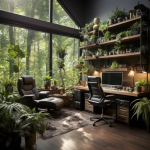

Addiction is a serious mental illness that can ruin lives. Incorporating interior design that aids addiction recovery into treatment facilities can enhance care by creating supportive spaces. Without appropriate medical assistance, many addicts feel hopeless and unable to stop using on their own.
Patients battling substance abuse can find relief at treatment facilities, where they receive medical care, counseling, and benefit from thoughtfully designed environments that foster healing and rebuild their lives.

But when non-medical interventions, such as interior design, are added to the healing process, they can be even more effective.
5 Guidelines to Improve Clinical Design
Here are five suggestions for incorporating interior design into the care of patients who are battling addiction.
1. Recreational Design
Patients who are restricted to a single task or room will recover more slowly than those who can partake in leisure activities while receiving treatment.

Options include using music and art to either show off their existing talents or discover new ones. These activities aid in the development of coping strategies and alternatives to their destructive behaviors.
2.Design for Calm
Patients experience anything but calm while receiving treatment. Decorate for calm in order to counteract their negative feelings. To achieve this, combine calming color schemes with aesthetically pleasing decor.

You May Like: Colors That Are Most Calming
The shades of blue, green, gray, purple, and tan are calming. Avoid using bright colors like red and orange because they arouse strong emotions. Warm tones are typically more calming than cold tones—this is an interior design that aids in addiction recovery.
3. Design Focused on Comfort
Clinical settings have a cold, clinical feel to them. They don’t compare to the ease of watching television while lounging on one’s own couch, but why not?

By offering cozy seating, you can give your patients a home away from home while they receive treatment. Also, don’t forget the pillows and throw blankets!
4. Design for Perspective
Harsh white lighting is commonly used in medical facilities and treatment areas. Patients may feel exposed and uneasy in this lighting. Placing your patients close to natural sunlight is preferable.

You May Like: How to Use Light to Improve Your Health and Mood
Sunlight is beneficial to both physical and mental health. However, blue light is a fantastic alternative to natural sunlight if it is not available to reduce stress. According to a 2017 study, blue lighting promotes relaxation three times more quickly than traditional white lighting does.
5. Designing for Privacy
The confidentiality of your patients ought to be your top priority. Installing opaque or semi-opaque glass dividers is one way to enhance the facility’s appearance while preserving privacy.

These partitions allow light to pass from one area to another while maintaining privacy. Meanwhile, this is a satisfying interior design that aids in addiction recovery.
Changing Lives Through Interior Design
An individual’s environment has a significant impact on their way of life. Spaces that are too small or crowded make one feel claustrophobic and stifle emotional development.
Dim environments that lack access to natural light are depressing and may even interfere with appetite and sleep patterns.
-Dr. Stacey Denise
Designing spaces to promote healing requires taking into account how each component affects results. Our goal is to help patients recover by reducing stress and providing recovery guidance.