

When we hear the word “trauma,” many of us think of soldiers returning from war or survivors of catastrophic events. But trauma wears many faces. Childhood neglect, generational patterns of dysfunction, emotional invalidation, financial instability, and even the weight of rigid religious teachings can leave lasting imprints on the psyche. These experiences, though less visible, shape our inner worlds just as profoundly as the most obvious wounds.
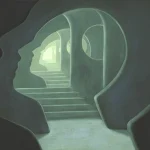
As an artist and former surgeon, I’ve explored these unseen traumas in my Inner Child Series through a lens of psychology, neuroaesthetics, and personal healing. Pieces like Am I Looking in the Mirror?, Piercing My Soul, and The What Ifs delve into what it means to confront and integrate the shadow self—a concept introduced by Carl Jung.
This post will explore how hidden traumas shape us, how dissociation serves as a survival mechanism, and how we can emerge from the shadows to embrace healing and growth.
Trauma: Expanding the Definition


Trauma isn’t only about extreme events. It’s any experience that overwhelms our ability to cope, leaving lasting emotional and psychological effects. By expanding how we define trauma, we can begin to understand its subtle yet profound impact.
- Childhood Trauma: Emotional suppression, neglect, or abuse during formative years can create deep-rooted patterns of emotional dysregulation.
- Generational Trauma: Families often pass down unresolved pain through behaviors, unspoken rules, or survival mechanisms, leaving descendants to carry burdens they didn’t create.
- Religious Trauma: Rigid or oppressive belief systems can instill fear, guilt, or shame that distorts self-worth.
- Financial Trauma: Poverty or instability creates stress and fear that may linger long after financial situations improve.
- Emotional Trauma: Chronic invalidation of feelings can lead to disconnection from emotions, perpetuating cycles of loneliness and misunderstanding.
These experiences disrupt our sense of safety and shape how we see ourselves and others.
The Shadow Self: Confronting What Lies Beneath
_Jung_at_his_home_library_in_K%C3%BCsnacht,_Switzerland._Kairos_Film_Foundation_photo.jpg)
Carl Jung described the shadow self as the unconscious parts of ourselves that we suppress because they conflict with how we want to be seen or how we believe we “should” behave. Trauma often forces us to bury emotions—shame, anger, fear—deep within, creating a shadow that quietly influences our thoughts and actions.

- “Am I Looking in the Mirror?”: This artwork embodies my personal reckoning with my shadow self. The fractured reflections symbolize the parts of me I avoided for years—the anger, fear, and unspoken pain. Through creating this piece, I began the difficult process of confronting these truths and accepting them as part of my whole self.
- “Piercing My Soul”: This piece represents the profound gaze inward, a moment when I confronted the truths that lived within me. It speaks to the power of vulnerability and the courage it takes to face what we’d rather ignore.
- “The What Ifs”: As I created this piece, I grappled with how my unaddressed shadow had influenced my daughters. The fears I hadn’t healed and the patterns I hadn’t broken were being passed down. This work became a turning point, reminding me that healing isn’t just for me—it’s for the generations that come after me.
Dissociation: A Survival Mechanism

For many who experience trauma, dissociation becomes a way to survive. When emotions feel too overwhelming, the mind detaches, creating a protective buffer between the self and the pain. While this mechanism may offer temporary relief, it often leads to long-term disconnection from emotions, relationships, and even self-awareness.
In Dysregulated, I captured this internal storm. The chaotic lines and clashing colors mirror the experience of emotional overwhelm and the protective numbness that follows. Creating this piece allowed me to externalize what felt inexpressible—a key step in reconnecting with myself.
Healing Through Art
Art offers a bridge between the conscious and unconscious mind, providing a safe space to explore emotions that words cannot capture. Research in neuroaesthetics shows that color, form, and texture can influence brain activity, reduce stress, and promote healing.
- Blue and Purple: Found in Am I Looking in the Mirror?, these colors evoke introspection and calm, encouraging self-reflection.
- Red and Orange: Used in Dysregulated and Piercing My Soul, these tones symbolize raw emotion, passion, and energy—inviting viewers to confront their own feelings.
- Earthy Tones: In The What Ifs, grounding colors connect us to the universal, timeless experience of parenthood and legacy.
By engaging with art—whether creating it or simply viewing it—we open the door to understanding, integrating, and ultimately healing the parts of ourselves we’ve hidden away.
Emerging from the Shadows

Healing is a journey, not a destination. It requires patience, courage, and a willingness to confront the parts of ourselves we’d rather ignore. Through therapy, creativity, and self-compassion, we can break cycles of trauma and reclaim our wholeness.
The Inner Child Series reflects this journey—from the quiet moments before dissociation to the fiery reckoning with suppressed emotions, and finally, to the hope and responsibility of passing on healing to the next generation. Each piece invites you to reflect on your own story, your own shadows, and the light that emerges when you begin to heal.
Call to Action
Explore the full Inner Child Series and discover how art can help you confront, process, and heal your own hidden wounds. Visit the virtual exhibition today.











You must be logged in to post a comment.