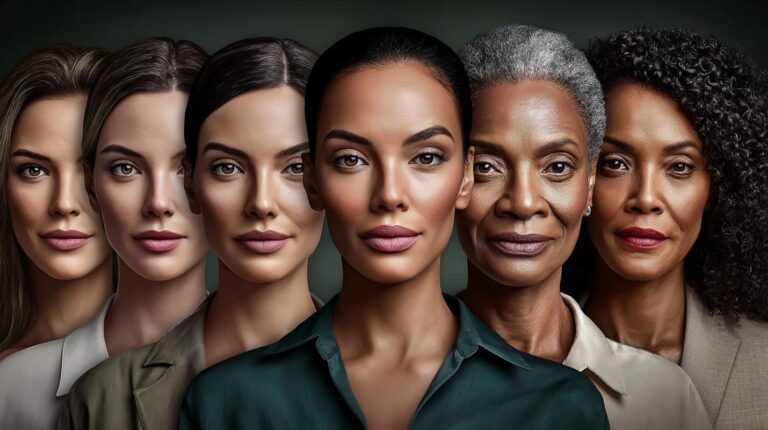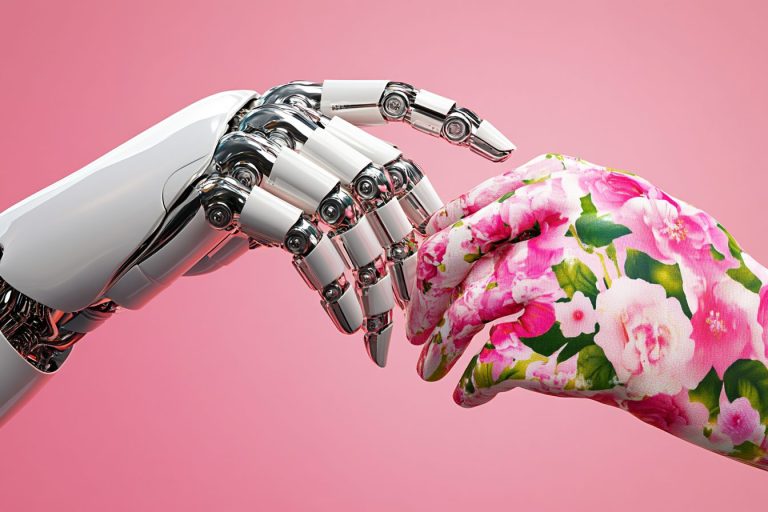

What draws your attention to a beautiful fine art photography piece — the flow of intricate lines, the smooth and rough strokes, the color play, or the encompassing design that they form?
What if I told you that most works of fine art never end the way they begin? Art transforms into itself. Many artists begin a painting with a specific principle, color scheme, and intended environment in mind, but the art takes shape on its own and leads them to new heights of imagination.

This has an impact on the gap between the viewer’s interpretation and the artist’s meaning. It enhances the appeal of art. When we look at the same fine art photography, we see it in different ways.
The artist’s expectations are somewhere between the color and the final artistic design. Following that is the truth about how the audience interprets the outcome of the art.
In contrast to fashion, there are no wrong color combinations when designing art. There are conventions, but I believe they limit an artist’s wild imagination. Even a haphazard combination of design and color is someone’s artistic expression. The key is, however, to achieve harmony.
Color in Fine Art Photography
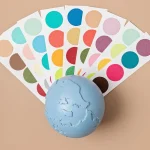
Color, as we all know, is the foundation of all artistic expression. It establishes the tone of a piece and, when used correctly, aids in the development of the ideal story behind the artwork. Colors are classified into three categories: primary, secondary, and tertiary.

You May Like: Protecting Fine Art Photography
Fine artists may use primary colors with a single color, such as red, yellow, or blue. They can also combine primary colors to create secondary hues such as orange, green, and purple.
Complex artistic expressions may necessitate the use of primary and secondary color mixing to achieve tertiary colors.
In contrast to fashion, there are no wrong color combinations when designing art. There are conventions, but I believe they limit an artist’s wild imagination.
Even a haphazard combination of design and color is someone’s artistic expression. The key is, however, to achieve harmony.
Design and Harmony in Fine Art Photography
Design is a broad subject that encompasses color, shape, and form. Artistic design can be both functional and abstract.
The colors and harmony at work in a painting or design are what make it interesting.

You May Like: How to Choose Fine Art Print Materials: A Connoisseur’s Insight
To meet expectations, designs must be harmonious. Harmony exists when the artist understands color schemes and balance.
That is why, in modern times, artists strive to provide the best visual experience for their audiences by balancing their art with color and design.
We have exquisite and modern fine art photography pieces for your home and office at Ceyise Studios. Discover our collection here.
What influences your artistic expression more, color or design? Let me know in the comments; I love hearing from you!