
AI-Powered Interiors Look Perfect—But Can They Be Built?

AI-Powered Interiors look flawless—seamless material blends, perfect lighting, and stunning compositions. But here’s the reality: many of these designs cannot actually be built.
- The furniture doesn’t exist in production.
- The lighting looks incredible—but defies physics.
- AI doesn’t account for material sourcing, manufacturing limitations, or structural feasibility.
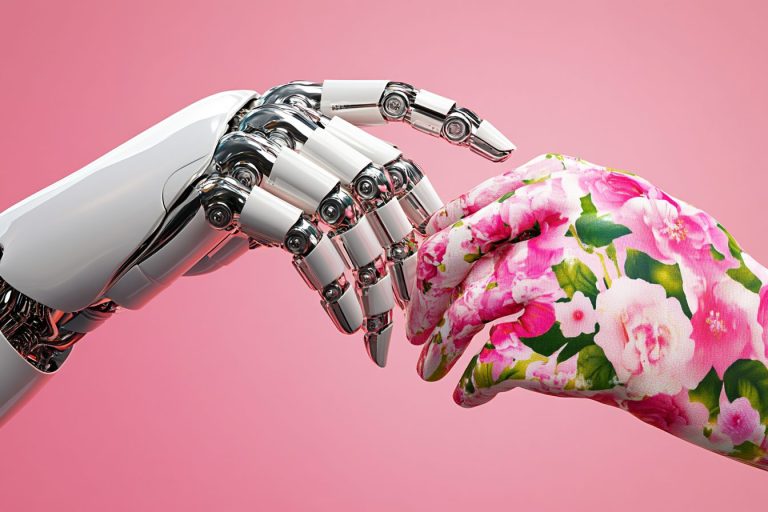
The future of AI-powered interior design and digital art isn’t just about better renders. It’s about closing the gap between concept and execution.
For AI to move beyond visualization and into reality, collaboration is essential. Designers, AI developers, and manufacturers must work together to create buildable, scalable, and sustainable AI-generated designs.
Here’s how we get there.
AI in Design Today: Powerful, but Not Fully Functional

Right now, AI excels at:
- Concept development – Platforms like Midjourney, Leonardo AI, and Stable Diffusion create mood boards, underpaintings, and early-stage design mockups at unprecedented speed.
- Personalization and customization – AI adapts to client preferences, generating custom color palettes, spatial layouts, and unique art compositions.
- Rapid iteration and visualization – AI allows designers and clients to explore multiple design variations before committing to a final concept.
The Problem
Despite its strengths, AI-generated concepts often fail to consider:
- Material constraints
- Construction feasibility
- Functional livability
A beautiful AI-generated design might suggest a sofa that doesn’t exist in production or place windows where structural supports need to be.
For AI to become a truly practical, industry-integrated tool, it must evolve beyond surface-level aesthetics.
Bridging the Gap: How AI Can Move from Concept to Execution
The next evolution of AI-powered design isn’t about making renders look better. It’s about making them buildable, sustainable, and scalable.

You May Like: The Current State of AI in Art & Design: How Technology Enhances Creativity & Customization
1. AI Must Integrate With Manufacturing and Material Sourcing
The challenge: AI can recommend a beautiful marble finish for a countertop—but it has no idea if that marble is in stock, sustainable, or cost-effective.
What needs to happen:
- AI platforms should integrate real supplier and product catalogs to generate market-ready designs.
- AI-driven software must recommend material alternatives based on budget, availability, and environmental impact.
- Designers, AI developers, and manufacturers must collaborate to train AI to recognize real-world production constraints.
2. AI Needs Structural and Spatial Awareness
The challenge: AI can generate an expansive open-concept loft—but it doesn’t factor in load-bearing walls, HVAC systems, or practical traffic flow.
What needs to happen:
- AI tools should integrate architectural and engineering constraints to generate realistic, structurally sound spaces.
- Software must consider natural lighting, HVAC systems, and electrical and plumbing logistics to create livable environments.
- AI-driven 3D models should autogenerate blueprints and material lists to bridge the gap between renders and real-world execution.
3. AI Must Support Sustainable and Smart Design

The challenge: AI might suggest exotic hardwood flooring for a project—but it has no awareness of its carbon footprint, ethical sourcing, or better local alternatives.
What needs to happen:
- AI tools must integrate sustainable material databases to recommend eco-friendly alternatives.
- AI should calculate the energy efficiency of spaces, materials, and layouts, helping designers and builders make environmentally responsible choices.
- AI should generate adaptive reuse solutions, repurposing materials and transforming spaces with minimal waste.
For AI to reach its full potential, it must move beyond being a tool for inspiration. It must become an essential asset for real-world execution.
You May Like: Design Thinking: The Artistry Behind Innovation
The Role of Artists, Designers, and Industry Leaders in AI’s Future

While AI has transformed ideation and visualization, it still relies on human expertise to bring concepts to life. The next generation of AI-powered design will require deeper collaboration among:
- AI developers – To create real-world-ready AI models that integrate production data.
- Manufacturers – To provide AI with material and sourcing insights to ensure practical designs.
- Architects and designers – To ensure AI outputs meet sustainability, functionality, and safety standards.
AI alone won’t shape the future of design—but the right partnerships will.
Final Thoughts: AI’s Future Lies Beyond the Render
AI-generated interiors and artwork have already changed how we visualize creativity. But the next breakthrough will be about real-world execution—turning digital possibilities into physical, livable spaces and tangible artworks.
- For interior design: AI must transition from generating visuals to creating build-ready designs that integrate with real-world materials and sourcing.
- For artists: AI must evolve from a concept-generation tool into an adaptive, sustainable creative assistant that enhances craftsmanship.
- For industry leaders: There is a growing opportunity to develop AI-integrated solutions that bridge the gap between visualization and production.
Ceyise Studios Specializes in AI-Integrated Design Solutions
Are you an AI developer, manufacturer, or industry leader looking to shape the future of AI-powered, real-world-ready design?
Let’s collaborate to bridge the gap between AI concepts and practical, buildable designs.
📩 Reach out to discuss partnerships and projects.
📌 Explore my work at Ceyise Studios.