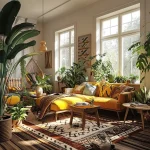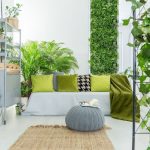

In the heart of Houston’s fast-paced energy, having a space dedicated to calm and renewal isn’t just a luxury—it’s essential. A meditation room or Zen-inspired nook serves as your personal retreat, offering a place to disconnect from daily stress and reconnect with yourself. Whether you have an entire room or just a quiet corner, here are ten transformative ideas to create a sanctuary that nurtures mindfulness, balance, and inner peace.
1. Select a Serene Location
Where does your mind go when you think of a peaceful escape? Maybe it’s a quiet corner bathed in soft light, the gentle sway of a curtain in the breeze, or the warm embrace of a sunlit garden. Creating a meditation space isn’t about having extra square footage—it’s about intentionally carving out a place that invites stillness and reflection.
In Houston, where life moves fast and the heat lingers, consider a spot that feels naturally cool and shielded from distractions. A spare bedroom, a sunroom with soft drapery, or even a cozy nook in your living room can become your personal retreat. If you prefer an outdoor escape, a shaded patio or a corner of your backyard with a pergola and plants can offer a grounding experience.
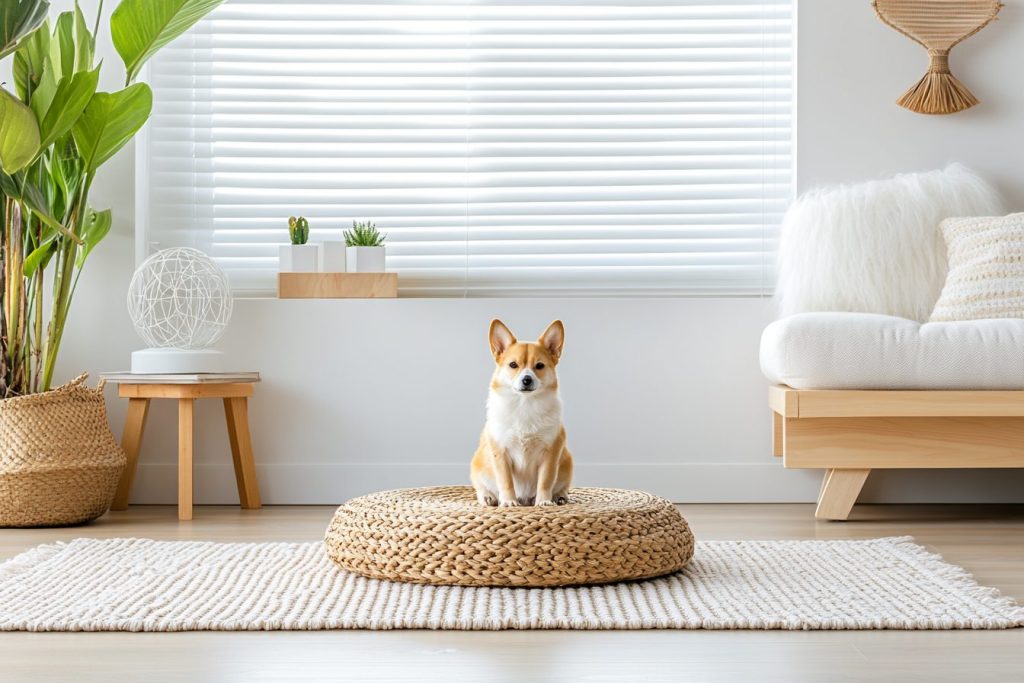
Once you’ve chosen your space, think about its sensory experience. Soft textures, a grounding rug, and the embrace of natural light can enhance relaxation. If noise is a challenge, a white noise machine, gentle wind chimes, or nature sounds can help maintain tranquility. Your meditation room should feel like a visual and sensory hug, welcoming you into a state of peace the moment you enter.
2. Embrace Nature
Nature is the original sanctuary. A walk through a botanical garden, the sight of moss-covered trees, or the rhythmic sound of waves can instantly reset the nervous system. So why not bring that same energy into your meditation space?
Bringing biophilic design (nature-inspired aesthetics) into your home enhances mental clarity, relaxation, and emotional balance. For Houston homes, where the climate supports lush greenery year-round, consider incorporating potted plants like peace lilies, ferns, or snake plants—these thrive in indoor spaces and purify the air. If you prefer a more sculptural touch, a bamboo arrangement or a dried floral installation can provide a lasting natural element.
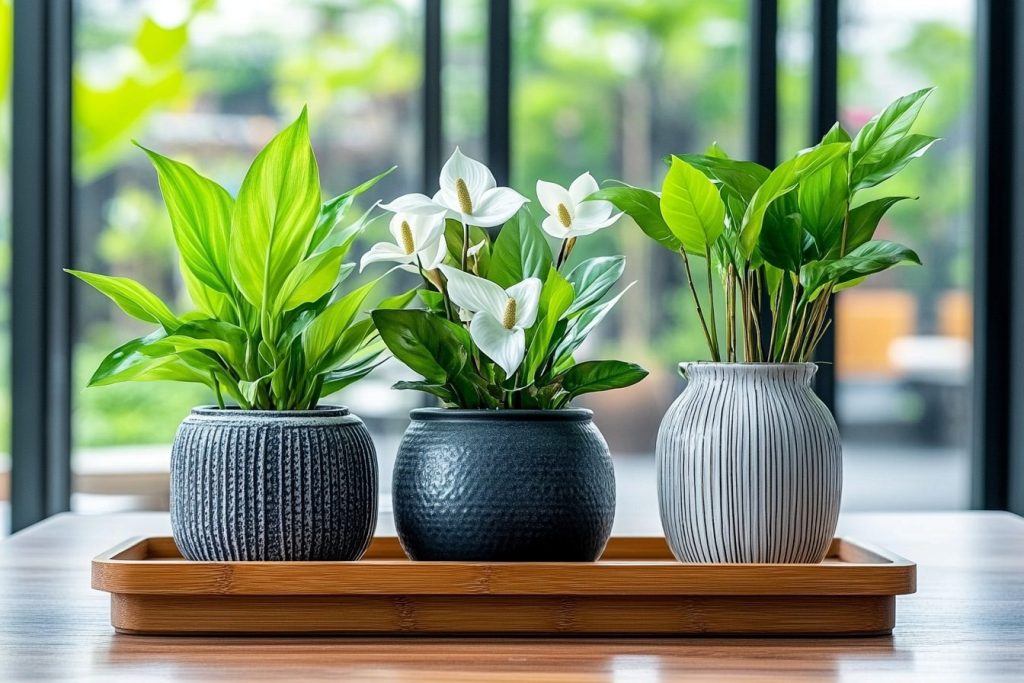
Water is another powerful natural element for relaxation. A small tabletop fountain can introduce the soothing sound of flowing water, a reminder of nature’s gentle rhythm. For those who want to feel more grounded, incorporating natural materials like wood, stone, or clay in decor or furniture can add warmth and an organic touch.
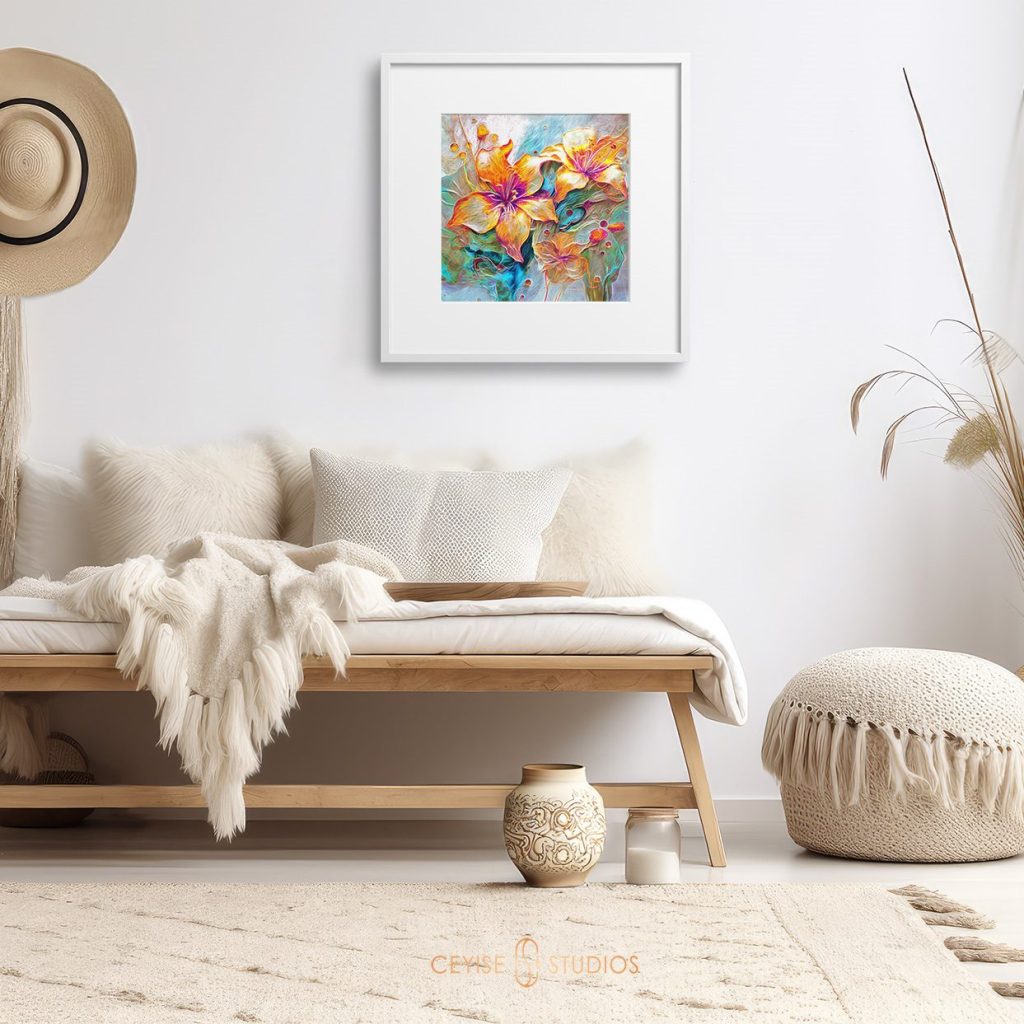
Art & Nature Fusion: Consider anchoring your space with an art piece that evokes a natural connection. Lilies in Rejuvenation by Dr. Stacey Denise, with its vibrant yet soothing hues, captures the essence of nature’s balance between energy and stillness. Just as lilies bloom in their own time, this piece reflects the harmony of personal renewal, making it a perfect focal point for meditation spaces. Its dynamic colors invite both reflection and transformation, creating an environment that encourages mindfulness and self-growth.
3. Choose Calming Colors
Color is more than just decoration—it’s an emotional cue. The shades that surround us influence our nervous system, shaping our energy levels, focus, and sense of calm.
For meditation spaces, soft, earthy neutrals like warm beiges, off-whites, and gentle taupes create a serene foundation. Muted greens and blues evoke nature’s calming presence, helping the mind unwind and settle into stillness. If you want a slightly warmer touch, blush pinks and soft terracottas can add a sense of emotional comfort without overwhelming the senses.
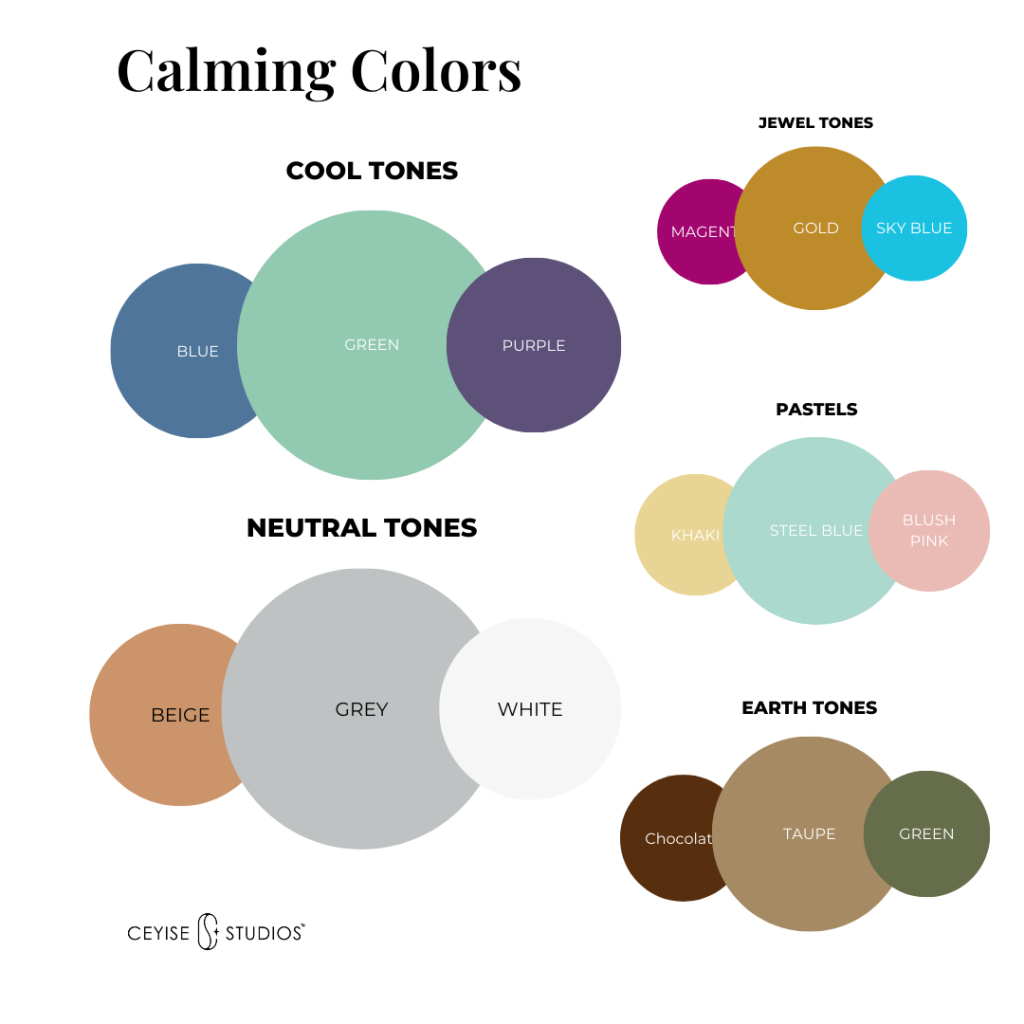
Avoid overstimulating colors. Bright reds, neons, or stark contrasts can create restlessness, pulling attention away from mindfulness. Instead, opt for colors that feel soft, layered, and welcoming, reinforcing the sense of retreat your meditation space is meant to provide.
Art & Color Harmony: If you’re unsure where to start, take inspiration from artwork that already evokes a sense of peace. A piece like Bayou Whispers by Dr. Stacey Denise, with its muted blues and fluid, organic movement, reflects the soothing rhythm of water, making it an excellent color cue for meditation spaces.

You May Like: The Ultimate Art Guide for Creating a Sense of Comfort
4. Maintain Minimalist Decor
In a world that constantly demands our attention, minimalism offers a sanctuary. A meditation space thrives in simplicity—where every item has a purpose and every corner invites stillness.
Start with intentional furniture choices: a supportive meditation cushion, a low-profile bench, or a simple tatami mat. Instead of filling the space with excess decor, select a single statement piece—a sculpture, a hanging textile, or a carefully chosen artwork that resonates with your mindfulness journey.
Keep surfaces clean and clutter-free. A small altar-like arrangement with a candle, incense holder, or a grounding crystal can be meaningful without being distracting. The goal is to allow space itself to become part of the meditation process—creating openness, both visually and mentally.
Art & Minimalism: A piece like Golden Reflections by Dr. Stacey Denise embodies the essence of quiet elegance. Its warm, minimalistic glow offers a subtle yet profound focal point, encouraging a sense of introspection without overwhelming the space.

5. Create a Cozy Seating Area
Meditation is about presence, and comfort plays a crucial role in how deeply you can immerse yourself in the experience. A cozy seating area should feel like an invitation—a place where your body feels supported and your mind can settle.
Start with a foundation of support: a plush meditation cushion, a soft zabuton mat, or a sculpted ergonomic chair if you prefer back support. If your space allows, position your seating near natural light or a peaceful view, as sunlight and scenic elements naturally encourage relaxation.

Layer your seating with soft, textured accents—a cozy throw blanket, a lumbar pillow for added support, or even a handwoven rug beneath your feet. The more tactile comfort you provide, the more your body will instinctively associate this space with ease and stillness.
Art & Tranquility: Agave Transitions by Dr. Stacey Denise mirrors this sense of organic flow and grounding. Inspired by the strength and fluidity of nature, its soft tonal shifts echo the gentle balance needed in meditation—both rooted and expansive, structured yet open.

You May Like: The Psychology of Interior Design: Your Guide to Transformative Spaces
6. Integrate Aromatherapy
Scent is one of the most powerful tools for shifting mood and energy. The right aromas can instantly transport you to a state of calm, signaling your brain that it’s time to slow down and breathe deeply.
For a grounding effect, use earthy and woodsy essential oils like sandalwood, cedar, or frankincense. These scents help create a sense of stability and rootedness. If you need a refreshing lift, opt for crisp and herbal tones like eucalyptus or peppermint. For deep relaxation, florals and resins—such as lavender, chamomile, or myrrh—can infuse your space with a soft, meditative atmosphere.

Choose diffusers, incense, or soy-based candles as your scent medium, depending on your preference. A small essential oil roller on your wrists before meditation can also enhance the sensory connection to your practice.
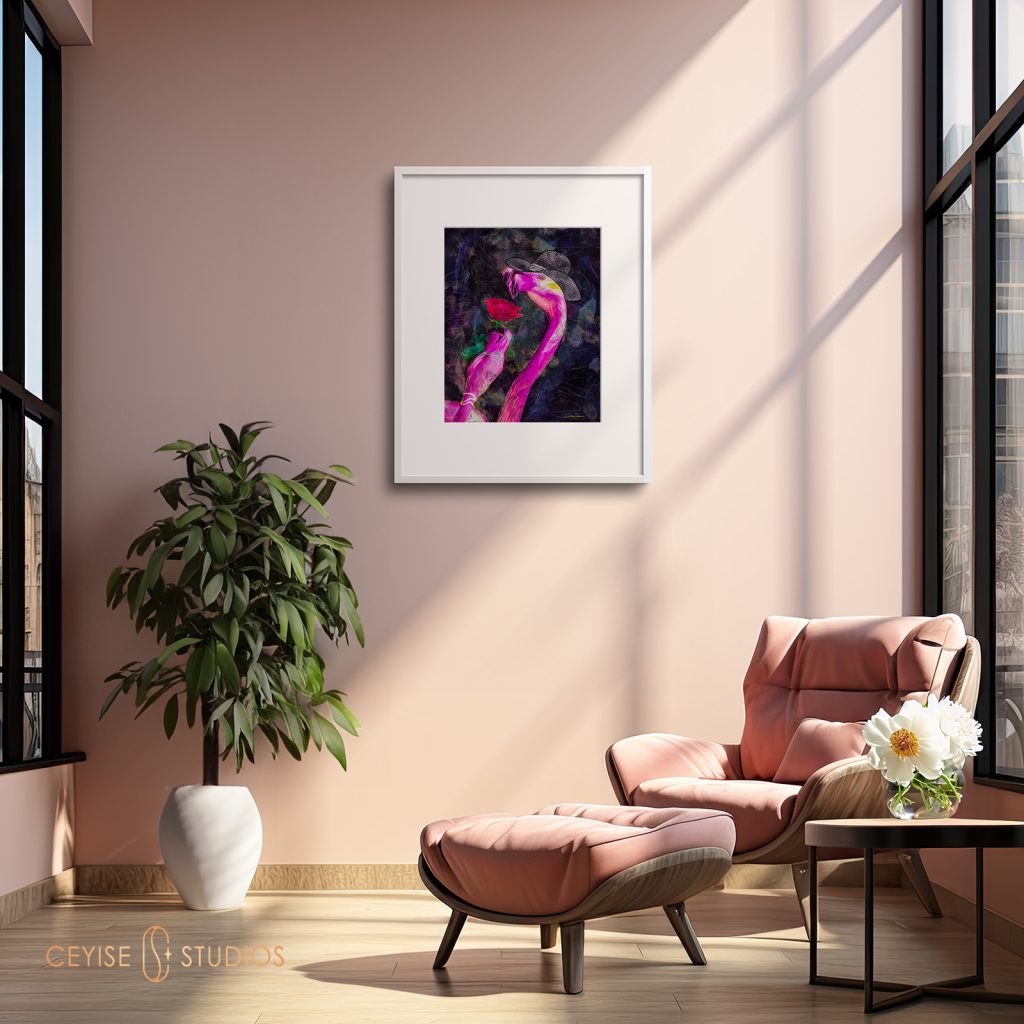
Art & Scent Connection: The vibrancy of Flamingo Love Tango by Dr. Stacey Denise captures the fluid movement of scent—bold, expressive, and deeply emotive. Just as a fragrance unfolds in layers, this piece visually explores how energy, mood, and mindfulness can harmonize through color and form.
7. Opt for Soft Lighting
Lighting isn’t just about visibility—it’s about shaping an experience. In meditation spaces, soft, ambient lighting creates a cocoon of calm, allowing your mind to ease into a relaxed state.
Instead of overhead lighting, which can feel harsh, opt for layered illumination:
- Floor or table lamps with warm-toned bulbs to mimic candlelight.
- Dimmable sconces that let you adjust brightness for different moods.
- String lights or Himalayan salt lamps for a gentle, glowing effect.

For a deeper sensory experience, experiment with candlelight meditation—watching a flickering flame can enhance focus and relaxation.
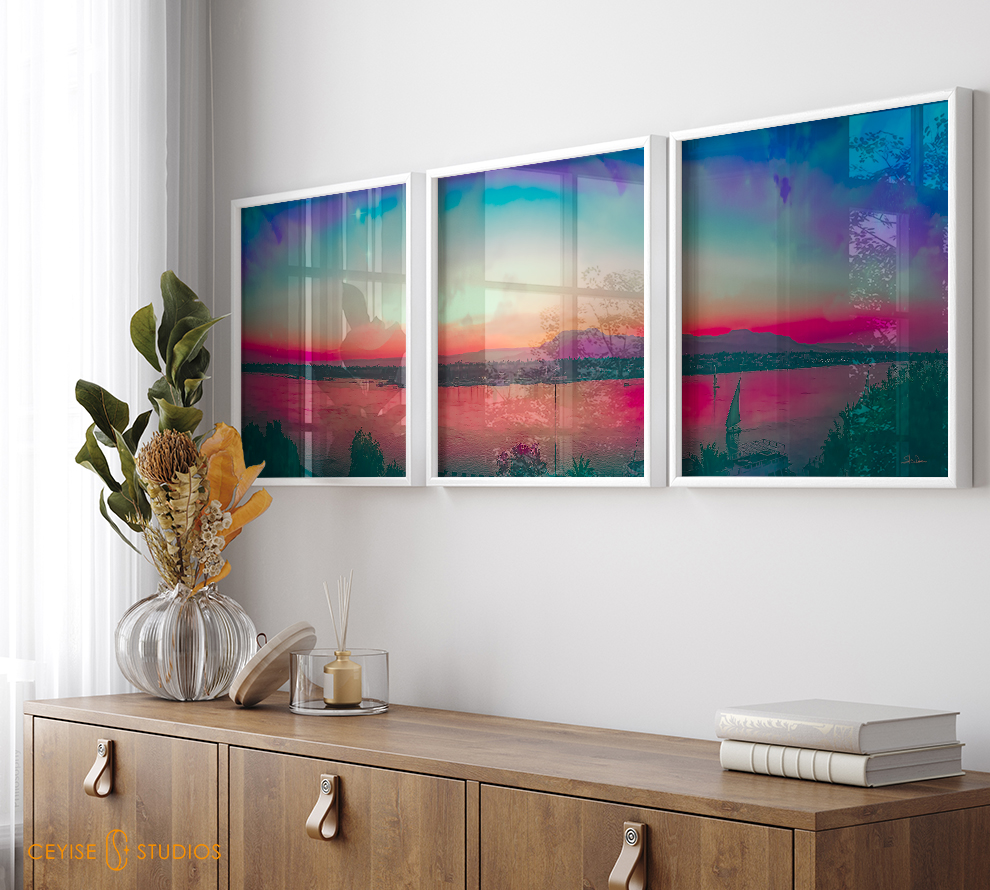
Art & Illumination: Star Struck Over Luxor – Coral Edition by Dr. Stacey Denise radiates celestial warmth, much like the soft glow of ambient lighting in a meditation space. Its luminous coral hues mirror the transformative power of light—inviting both vibrancy and tranquility into your environment. Just as warm light softens a space, this artwork reminds us that illumination—both literal and metaphorical—can guide us toward inner clarity and expansion.
8. Include Mindful Decor Elements
The objects in your space should inspire presence. Mindful decor isn’t just about aesthetics—it’s about fostering intention.
Consider these sensory-rich elements to deepen your practice:
- Zen gardens: The simple act of raking sand patterns can quiet the mind.
- Serene artwork: Choose paintings or prints that evoke stillness and reflection.
- Natural textures: Stone sculptures, clay vases, or woven textiles enhance the tactile experience.
- Personal altars: Arrange meaningful objects—like crystals, candles, or written affirmations—that center you.
Minimalism is key. Keep only what invites stillness and reduces distractions. Every piece should feel like an extension of your practice.
Art & Mindfulness: Mt. Sinai Canyon Magic by Dr. Stacey Denise embodies the grounding essence of ancient landscapes. Its deep reds and golden rock formations evoke a sense of time’s vastness, encouraging reflection and stability. Like a steady breath in meditation, this piece reminds us that stillness and transformation coexist, making it a powerful visual anchor for mindfulness and presence.

9. Personalize Your Space
Your zen room should feel like a natural extension of your energy and lifestyle. Whether you’re inspired by the lush greenery of the Houston Arboretum or the calming blues of Galveston Bay, infuse elements that resonate with you. Consider adding personal touches like a woven throw from a local artisan market, a piece of artwork that reflects your journey, or a scented candle inspired by Houston’s warm, floral air. Creating an environment that feels familiar and comforting enhances your meditation practice while showcasing your individuality.

10. Limit Technology
In a city as fast-paced as Houston, carving out a tech-free sanctuary can be a game-changer. With the constant buzz of notifications and traffic noise, your meditation space should be a retreat from digital distractions. If you use a device for guided meditations, set it to Do Not Disturb mode or switch to a dedicated meditation speaker with soothing sounds. Otherwise, keep screens out of your space entirely, allowing you to fully immerse yourself in the present moment. Embracing this analog escape helps deepen your connection to your thoughts, breath, and inner peace—something truly valuable in the midst of Houston’s vibrant, ever-moving energy.

Crafting Your Zen Sanctuary
By incorporating these thoughtful ideas into your Houston home, you can create a serene environment that nurtures mindfulness and relaxation. Whether you’re transforming a cozy apartment in Midtown, a historic home in The Heights, or a spacious retreat in The Woodlands, a dedicated meditation space can profoundly enhance your well-being.
With intentional design choices, any corner can become a personal sanctuary. Thoughtful location selection, natural elements, and soothing colors set the foundation, while minimalist decor and comfortable seating create a space that invites stillness.
Aromatherapy, soft lighting, and mindful decor further enhance the ambiance, making your meditation room a true oasis of peace.
Final Thoughts
Creating a Zen space in your Houston home doesn’t require extensive renovations or hefty budgets—just thoughtful curation and a deep understanding of what brings you peace. Whether you prefer a minimalist retreat or love layering in personal touches, the key is designing a space that nurtures relaxation and mindfulness.
🌿 Start small—choose a serene spot, introduce calming elements, and allow your meditation room to evolve naturally. Over time, this space will become a personal sanctuary where you can escape the noise of daily life and reconnect with yourself.
By embracing these ideas and infusing your creativity, you can craft a meditation space that empowers you to find balance, clarity, and inspiration in your everyday life.
Ready to transform your space into a true sanctuary?
📞 Book a Consultation with Ceyise Studios for expert guidance in designing a meditation room that aligns with your lifestyle and wellness goals.
🌸 Want more inspiration? Join our community for exclusive design tips, color psychology insights, and updates on our latest collections.
Happy meditating! 🧘🏽♀️