
Have you ever noticed how certain spaces trigger unease, like a labyrinthian corridor, or how others feel inviting and comfortable? These are things visitors unconsciously look for when entering a space—design elements that either calm or intimidate.
Your reactions weren’t based on your familiarity with the room. Instead, they were influenced by your brain’s unique chemistry and emotional response.

To further understand this connection between interior design and mood, researchers created a branch of science called Neuro-Architecture.
According to Neuro-Architecture, people unfamiliar with an area are influenced by a biological urge to find an ideal habitat.
Although everyone has unique psychological responses, some decorations and structures are more likely to receive positive reactions than others. Below are 5 things visitors unconsciously look for when entering a new space:
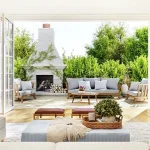
1. Open Spaces – No one wants to feel closed off and trapped in a room. Enclosed spaces heighten anxiety, especially if those places are cluttered and cramped.

Even small spaces can avoid this negative response by sporting a minimalist style. Decorate for functionality rather than for aesthetics.
Use visually light furniture and float them away from the walls to create a more spacious feel.
2. Symmetrical Designs – According to American scientist Alan Lightman, “Symmetry represents order, and we crave order in this strange universe we find ourselves in.” A person’s desire for symmetry goes beyond aesthetic harmony. Geometric patterns, structures, and buildings fill an innate human desire for order and consistency.

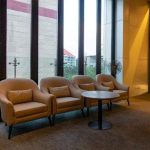
Patterns that don’t align, jagged corners, and decor that appears out of place can cause stress and anxiety. The best way to incorporate symmetry in a room is by starting at a central point such as a fireplace, window, or even a kitchen island, and then working outward.
If you don’t want to work in pairs of items (such as two lamps, end tables, etc.), you can still achieve symmetry by balancing visual weight. For instance, if placing one large item on the left of your centerpiece, place several smaller items on the right.
You May Like: 5 Essential Things Every Interior Designer Needs to Know About Paintings
3. Curvature – According to Canadian professor of psychology Oshin Vartanyan, people respond positively to curved architecture. Curved surfaces are more likely to elicit interest and mystery than harsh or jagged surfaces that appear dangerous to the touch.

You may notice that painters tend to depict curved rather than straight pathways. Curves are more welcoming and add interest to any space. Consider purchasing accent rugs with round edges or placing furniture in a crescent shape.
4. Lighting – One of the most essential elements to consider when designing a space is lighting. Light can not only brighten your surroundings, but it can also improve mood and spark creativity. Lighting that reflects off the walls creates depth and height and can be used to draw attention to certain more impressive areas.

I recommend using LED lighting. When considering lighting your space, account for cool and warm temperatures. For more information on using light in your room, refer to our article “Using Light to Affect Your Mood.”
5. Color – Without color, we would lose interest in the world. Objects, places, and people would flatten into the background, leaving no focal points–no areas of interest. Colors are powerful tools that artists and designers use to attract others and influence their emotions. White-washed walls appear sterile and lifeless.

Adding color can soften the ambiance and make the space more inviting. Each color is associated with an emotional response. Deep reds may illicit high energy, while soft blues may calm and repose. Learn more about using colors here.
When entering a room, people unconsciously look for open spaces, symmetrical designs, curvature, lighting, and color.
Using Neuro-Architecture, designers can decorate an inviting space that appeals to their audience on a biological level.
Implement these ideas to ensure that your home, office, or place of business is not inadvertently displeasing visitors.