

In a world shaped by trauma, emotions often become fragmented, hidden behind protective walls. For those navigating Complex Post-Traumatic Stress Disorder (C-PTSD) and Alexithymia, the challenge isn’t just surviving—it’s understanding and expressing the emotions that have been buried. Through my Inner Child Series in the Fragments to Fusion collection, I’ve explored these themes of emotional suppression, dissociation, and ultimately, self-discovery.
But this isn’t just my story—it’s a shared journey, one that art and color psychology can illuminate for anyone seeking healing, resilience, and connection.
Breaking Down C-PTSD and Alexithymia
What is C-PTSD?

C-PTSD develops from prolonged exposure to trauma, particularly in childhood. Unlike traditional PTSD, which is often tied to specific events, C-PTSD stems from recurring situations where escape feels impossible—such as abuse or neglect. Its symptoms include emotional dysregulation, a fragmented sense of self, and difficulty forming healthy relationships.
For me, growing up in a chaotic and violent home meant survival often required shutting down emotionally. My father’s words, “You come into this world alone, and you’ll die alone,” became an anchor for my worldview. This shaped how I saw myself and others, creating patterns that followed me into adulthood.
What is Alexithymia?
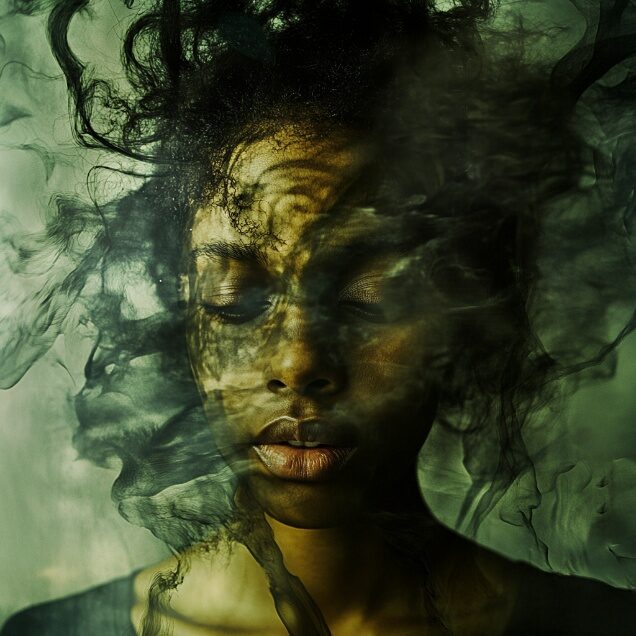
Alexithymia, often linked to trauma, is a condition where identifying and expressing emotions becomes a struggle. Imagine feeling an emotional storm inside but lacking the language to describe it. That was my reality—a disconnect from feelings that left me unable to process or express my experiences.
Art as a Language for Emotions
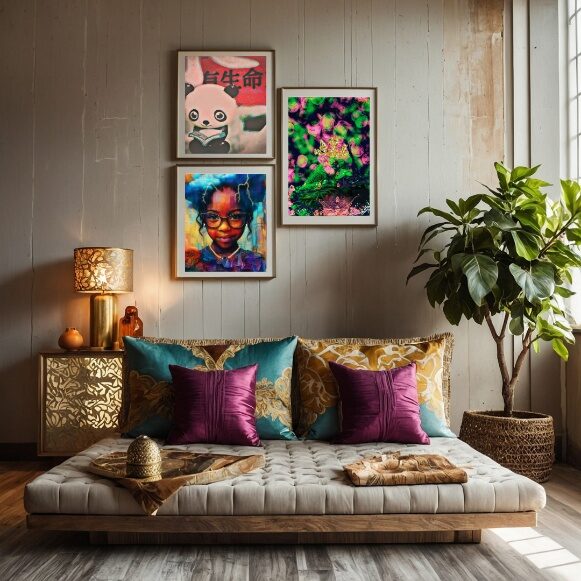
When words failed, art became my voice. Pieces like Quiet Before the Storm and Dysregulated visually express the journey of emotional fragmentation and the chaos of Alexithymia. These works go beyond aesthetics—they’re invitations to explore the unspoken.
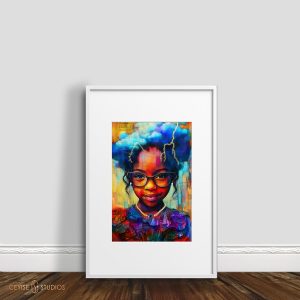
Quiet Before the Storm
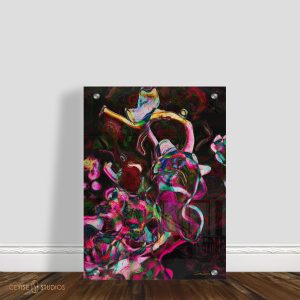
Dysregulated
- Quiet Before the Storm: This piece reflects a moment of calm before the onset of emotional dysregulation. Storm-cloud hair with electric blue lightning symbolizes emotions simmering beneath the surface, while an Evil Eye pendant and pearls represent protection and resilience.
- Dysregulated: A vivid abstract expression of emotional chaos, this piece uses intense reds and cool blues to mirror the contradictions of dysregulated feelings—raw energy versus moments of calm.
The Science of Healing: Neuroaesthetics and Color Psychology
How Colors Communicate Emotions
In neuroaesthetics, colors aren’t just visual—they’re emotional. They affect how we feel and think, often bypassing the rational brain to tap into deeper emotional centers. In my Inner Child Series:
- Red and Orange: Used in Dysregulated to convey raw emotion, passion, and intensity.
- Blue and Purple: Found in Quiet Before the Storm, these colors bring calm and introspection, offsetting the chaos above.
Art as a Healing Tool
Research shows that visual art can stimulate brain areas responsible for mood regulation and emotional processing. For those living with C-PTSD or Alexithymia, engaging with color-rich, symbolic artwork can:
- Foster emotional clarity.
Offer a safe space for introspection. - Provide a sense of control in navigating
- Overwhelming feelings.
Bridging the Inner Child and Adulthood
The Inner Child Series reflects not just trauma but also transformation. Pieces like Frog Prince Forgotten at the Bayou and Panda’s Storytime revisit childhood narratives, reframing them through the lens of healing.

Frog Prince Forgotten at the Bayou
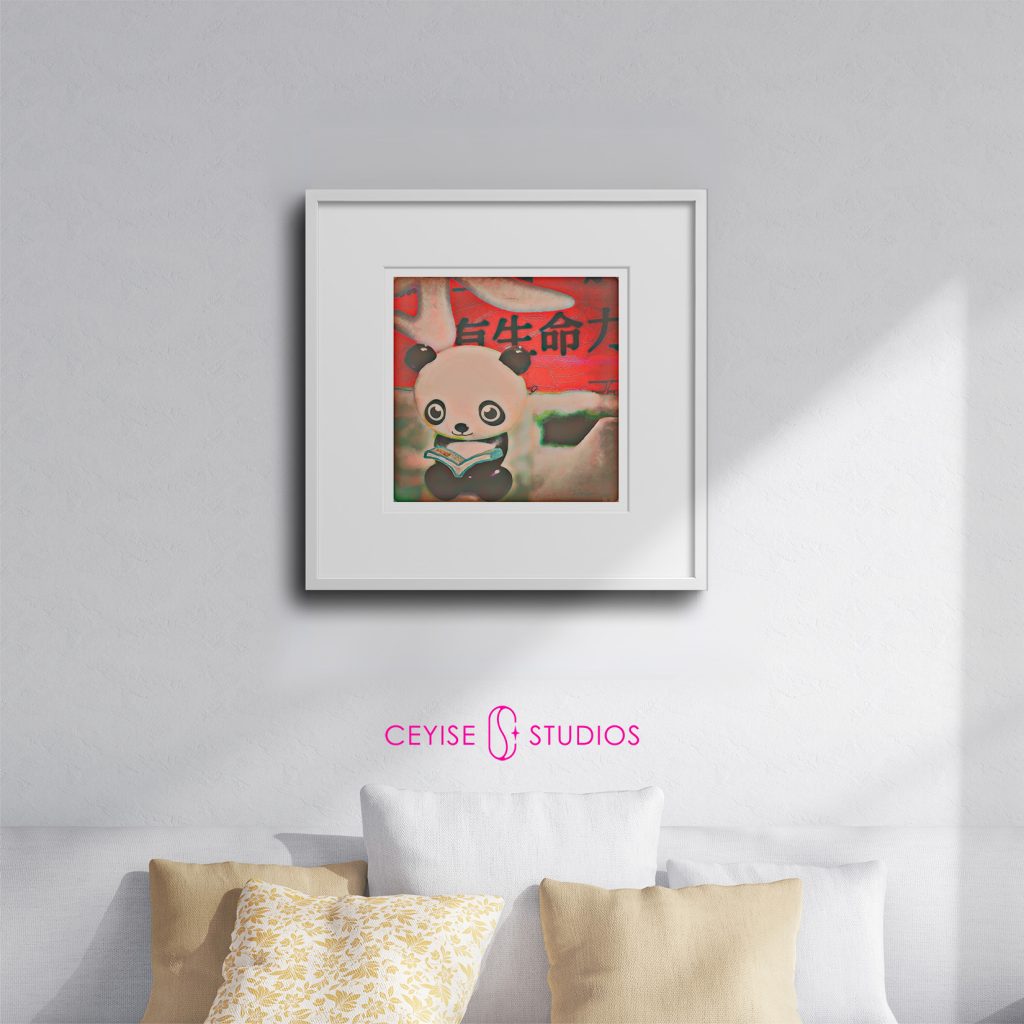
Panda’s Storytime
- Frog Prince Forgotten at the Bayou: A reimagined fairy tale where the frog’s blood-diamond tears symbolize the pain of waiting for external validation. This work shifts the narrative toward finding love and safety within oneself.
- Panda’s Storytime: Inspired by cultural stories, this piece highlights the power of narratives to connect generations and offer solace in turbulent times.
How This Resonates with You
Whether you’re a professional balancing external success with internal struggles or someone seeking emotional clarity in a chaotic world, the Inner Child Series offers more than art—it offers perspective.
- For Resilience Seekers: These works remind you of the strength it takes to confront your shadow self and heal.
- For Storytellers: They encourage reframing the narratives that shaped you, turning pain into empowerment.
- For Caregivers and Advocates: They highlight the importance of breaking cycles and fostering emotional growth—for yourself and others.
Closing Thoughts: From Fragments to Fusion
Healing isn’t about erasing the past—it’s about reclaiming it, fusing the fragments into something whole. Through the Inner Child Series, I’ve found a way to visually articulate the journey from chaos to clarity. My hope is that these pieces inspire you to explore your own emotions and rewrite the stories that no longer serve you.
Join the Journey: Explore the Fragments to Fusion collection to see how art can transform pain into beauty, and find pieces that resonate with your own path.












You must be logged in to post a comment.