

Trauma leaves marks on the body, mind, and soul. For many, those marks evolve into profound challenges such as Complex Post-Traumatic Stress Disorder (C-PTSD) and Alexithymia, conditions that can obscure emotional expression and self-awareness. As a retired pediatric surgeon, I’ve seen the toll these conditions take on individuals and families. But as an artist and a person navigating life with residual Alexithymia, I’ve found a powerful tool for healing: art.
This is the story of how creativity became my medicine and how I’m using my platform to inspire healing for others.
Understanding C-PTSD and Alexithymia
What Is Complex PTSD (C-PTSD)?

C-PTSD often stems from prolonged trauma, especially during childhood. Unlike traditional PTSD, which is tied to specific events, C-PTSD develops from sustained exposure to situations where escape feels impossible—abuse, neglect, or violence in formative years. This condition can manifest as emotional dysregulation, distrust, and a fragmented sense of self.
For me, the rigidity of medical training masked these wounds for years. But beneath the surface, they shaped how I interacted with the world and processed emotions.
Living with Alexithymia
Alexithymia, which frequently coexists with trauma disorders like C-PTSD, is an emotional disconnect. It isn’t a lack of feeling but rather an inability to identify or articulate emotions. For survivors, this can act as a defense mechanism—dissociating from painful emotions to avoid their impact.
Art became my bridge between my inner world and the outer one. It allowed me to express the emotions I couldn’t name, offering a visual language to communicate what words could not.
The Inner Child: Healing Through Storytelling and Art

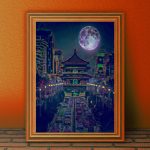
Childhood trauma alters the brain, reshaping how we see ourselves and the world. For me, the act of revisiting my “Inner Child” wasn’t just therapeutic—it was transformative. Through the Inner Child Series of my artwork, I explore themes of resilience, hope, and rediscovery.
These pieces revisit the fairy tales, stories, and animals that once gave me solace. They’ve become a means of giving my younger self a voice, allowing me to heal by weaving my pain into something beautiful.
Neuroaesthetics and the Power of Healing Spaces

As a designer, I understand the profound impact our surroundings have on mental health. Neuroaesthetics—the study of how the brain processes art and beauty—plays a pivotal role in my work. I create art and design spaces that don’t just look good but actively support emotional well-being.
Through thoughtful use of color, form, and texture, I aim to build environments where individuals feel safe to explore their emotions. My journey has taught me that healing often begins with a sense of safety, whether through a calming blue wall or an evocative piece of art.
My Mission: Bridging Art and Advocacy
Proceeds from my exhibitions and art sales support two core initiatives:
1. Mental Health Awareness:
- Supporting C-PTSD and Alexithymia research and therapy programs
- Creating safe spaces for emotional expression
- Breaking stigma through storytelling and design
2. STEAM Education:
- Empowering underserved youth to explore the intersection of science, technology, engineering, art, and math
- Providing scholarships to aspiring creators
- Demonstrating how creativity can transform lives
Every piece I create, every exhibition I host, is a step toward bridging the gap between trauma and hope. Together, we can break cycles of pain and foster spaces of healing.
Join the Movement: Art as Medicine

Healing is a journey, not a destination. If you’re navigating your own trauma or seeking to better understand loved ones with C-PTSD or Alexithymia, I invite you to explore my virtual exhibition, Fragments to Fusion.
This online experience showcases my art while offering resources and insights into the healing process. Whether you choose to engage with the interactive gallery, purchase a piece, or simply reflect, you’re becoming part of a larger movement to transform pain into purpose.
Art has the power to heal, inspire, and transform. Together, let’s use creativity to illuminate the path forward.










You must be logged in to post a comment.